Choosing top engineering universities in China as a study destination is a significant and future-defining step for students seeking to excel in technology and innovation. To successfully enter this competitive academic environment, two key factors must be carefully considered: first, a complete understanding of the study conditions in China, including details about the required documents, accepted language proficiency (either English or Mandarin), and the complex visa application process.
Second, a clear awareness of the cost of studying at engineering universities in China is essential. This includes tuition fees, accommodation costs, and daily living expenses, making precise financial planning crucial for every international student. This article, part of the series by Elm Vira, is designed to clarify all aspects of this educational journey.
Why studying engineering in China is a smart choice
China is one of the largest industrial and technological hubs in the world. Major companies such as Huawei, BYD, and Tencent collaborate directly with universities, providing students with internship opportunities and research projects. Moreover, many of China’s top engineering universities rank among the world’s top 100 institutions in global rankings like QS and Times Higher Education.
Additionally, the cost of studying at engineering universities in China is significantly lower compared to Western countries, while the quality of education remains exceptionally high. This unique combination has made China one of the most popular study destinations in Asia. Indeed, high-quality education, modern infrastructure, and affordable tuition make China an attractive destination for international students, especially in technical and engineering fields. Below, we introduce some of the top engineering universities in China:
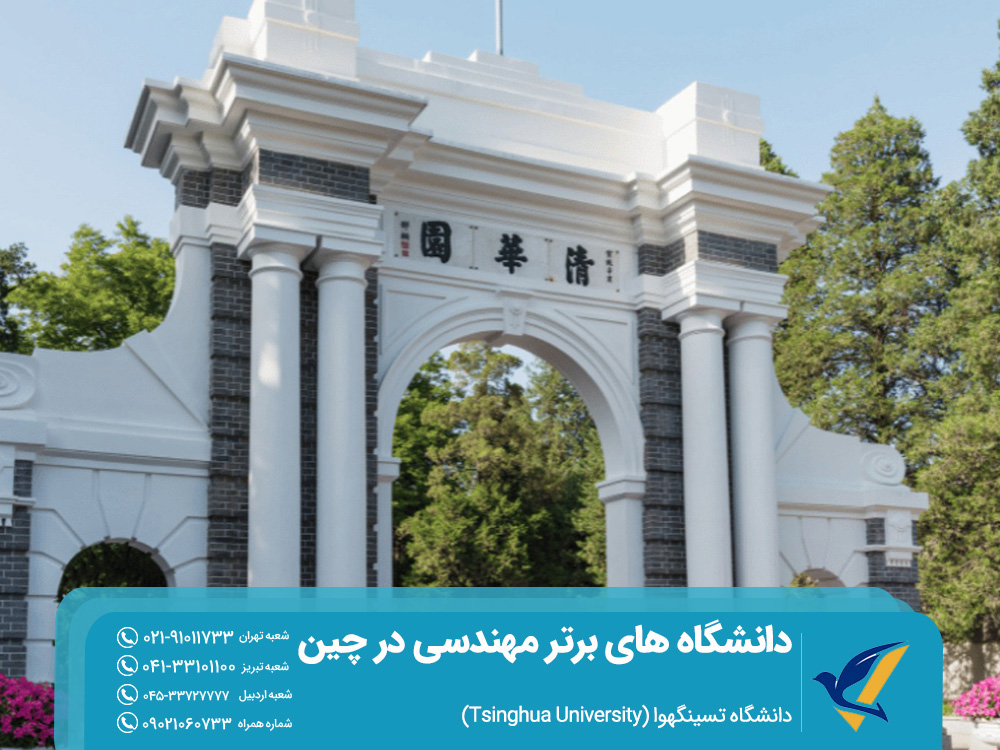
- Tsinghua University
Tsinghua University in Beijing is recognized as the top engineering university in Asia and, in many rankings, even surpasses MIT or Stanford in certain fields. The university excels in civil engineering, mechanical engineering, electrical engineering, and computer engineering.
Features:
- Over 50 undergraduate and graduate programs in English
- Direct collaborations with Harvard, Cambridge, and Nanyang universities
- Modern international dormitories and advanced research facilities
Tuition:
Engineering programs at Tsinghua generally cost between $6,000 and $9,000 per year, depending on the field and degree level.
- Peking University
Peking University is one of the oldest and most prestigious higher education institutions in China. In addition to fundamental sciences and humanities, it has global recognition in electrical engineering, materials science, and information technology.
Facilities and Programs:
- Joint programs with European institutions
- Opportunities for international exchange programs
Tuition:
Engineering programs cost between $5,500 and $8,000 per year, making it highly affordable compared to Europe and the United States.
- Zhejiang University
Located in Hangzhou, Zhejiang University is one of China’s main technical education centers. Often called the “MIT of the East,” it has five engineering colleges covering civil, mechanical, electrical, materials, and information technology.
Advantages:
- Active collaborations with over 200 universities worldwide
- Strong presence in industrial innovation and smart technologies
- Hands-on, research-oriented learning
Tuition:
For international students, engineering programs at Zhejiang University range from $5,000 to $7,500 per year.
- Shanghai Jiao Tong University
Shanghai Jiao Tong University is among China’s top engineering institutions. Many of its programs are supported by international companies like Siemens and General Motors.
Popular Fields:
- Mechanical Engineering
- Aerospace Engineering
- Energy Engineering
- Computer Engineering
Tuition:
Engineering programs cost between $6,500 and $8,500 per year, with estimated living expenses for students in Shanghai around $4,000 per year.

- Fudan University
Fudan University, also located in Shanghai, is one of Asia’s leading research institutions. It is particularly prominent in computer engineering, nanotechnology, and artificial intelligence.
Facilities:
- English-taught programs for international students
- Highly equipped digital library
- Various scholarships for foreign students
Tuition:
Annual tuition ranges from $5,000 to $7,000.
- University of Science and Technology of China (USTC)
USTC, located in Hefei, is one of China’s top engineering universities and a leading center for technology, applied physics, and software engineering.
Features:
- Extensive collaboration with the Chinese Academy of Sciences
- Strong focus on research and development
- Admission of top students with full scholarships
Tuition:
Engineering programs at USTC cost approximately $4,500 to $6,500 per year.
- Nanjing University
Nanjing University is one of China’s oldest and most prestigious institutions, with chemical, materials, and biomedical engineering programs being particularly popular.
Advantages:
- Convenient location with low living costs
- Joint programs with universities in Germany and Canada
- International campus with students from over 80 countries
Tuition:
Engineering programs cost between $4,000 and $6,000 per year.
- Harbin Institute of Technology
If you are interested in aerospace, robotics, or mechanical engineering, Harbin Institute of Technology is an excellent choice. The university collaborates directly with China’s space agency, and graduates are employed in major industries.
Facilities:
- Advanced aerospace laboratories
- Combination of theoretical and practical training
- English classes for international students
Tuition:
Between $4,500 and $7,000 per year, with opportunities for the CSC (China Scholarship Council) Scholarship.
- Southeast University
Located in Nanjing, Southeast University is a top engineering school in China, particularly renowned for civil engineering, architecture, and urban design. It is one of the oldest engineering education centers in China, with over 100 years of history.
Features:
- Collaborations with over 100 international universities
- Opportunities to participate in real civil projects
- English-taught programs for undergraduate and graduate levels
Tuition:
Approximately $5,000 to $6,500 per year, with low living costs in Nanjing.
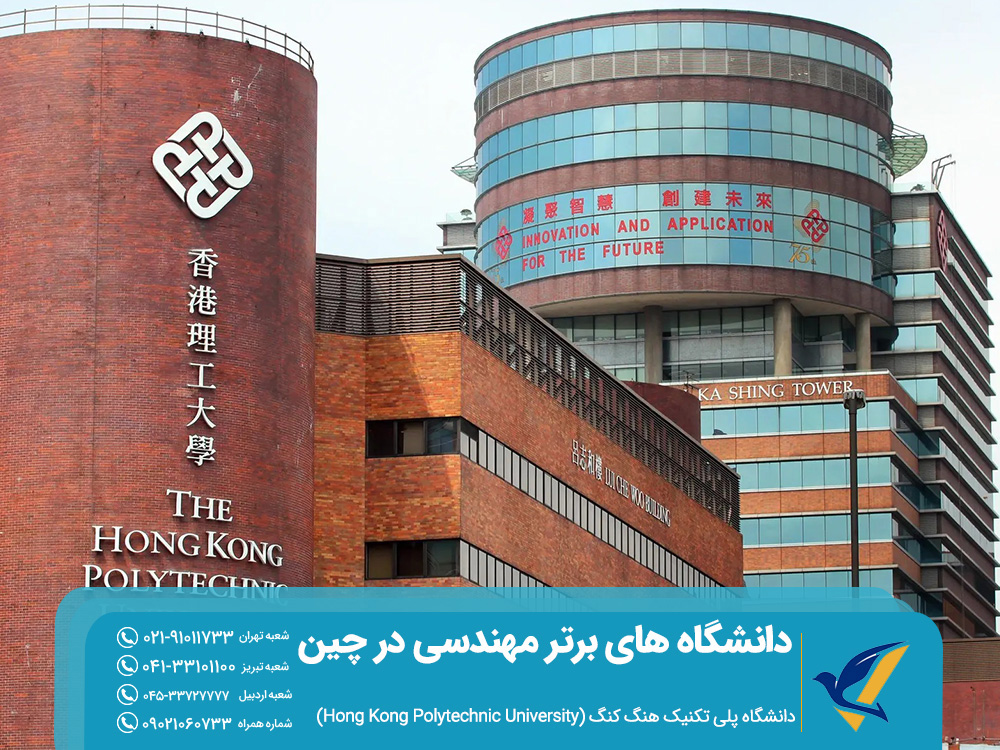
- Hong Kong Polytechnic University
Although located in the Hong Kong SAR, this university is recognized as one of the top engineering universities in China. Its main focus areas are civil engineering, industrial design, and systems engineering.
Advantages:
- Very high global ranking in QS
- Collaboration with multinational technology companies
- State-of-the-art facilities and smart laboratories
Tuition:
Engineering programs at this university are slightly more expensive, typically ranging from $9,000 to $12,000 per year. However, the quality of education and post-graduation career opportunities make it an excellent choice.
Scholarships and Benefits for Studying Engineering in China
International students applying to top engineering universities in China can benefit from various scholarships, including the China Scholarship Council (CSC), university-specific scholarships, and industrial company scholarships. Many top engineering universities in China offer these scholarships to outstanding students, typically covering tuition fees, dormitory support, and health insurance.
Language Requirements (IELTS / TOEFL / HSK) for Engineering in China
Language requirements for engineering programs at top Chinese universities vary depending on the course and university. Most undergraduate and graduate engineering programs in China are taught in English, and international students are required to submit a minimum IELTS score of 6.0 or a TOEFL score of 80. At universities like Tsinghua and Shanghai Jiao Tong, an English language certificate is mandatory for international engineering programs unless the applicant has completed previous studies in English.
For programs taught in Chinese, an HSK level 4 or higher is required. Proficiency in Chinese is a significant advantage for entering the domestic job market. Some universities even offer one year of free Chinese language training for international students before starting their engineering program to better understand the academic and professional environment in China.

Student Living Costs in China
One of the advantages of studying in China is the relatively low cost of living. The average annual living expenses for international students range from $3,000 to $5,000, covering accommodation, food, and transportation. Large cities such as Shanghai or Beijing tend to be slightly more expensive, while smaller cities are considerably cheaper.
In fact, studying engineering in China is an ideal choice for international students not only because of high-quality education and modern infrastructure but also due to reasonable living costs and extensive career opportunities.
From Tsinghua University to Fudan and Zhejiang University, these institutions strive to train a new generation of creative, internationally-minded engineers. If you seek a dynamic, advanced, and cost-effective educational environment, choosing one of China’s top engineering universities can be a turning point in your professional journey.
Top Engineering Universities in China 2026
In recent years, China’s leading engineering universities have strengthened their global standing by developing educational and research infrastructure. The table below lists the top engineering universities in China for 2026 based on the latest international data:
| University Name |
National Rank |
Engineering Focus |
International/Subject Ranking Indicator |
| Tsinghua University |
1 |
Architecture, Electrical Engineering, Computer Science |
Ranked #1 in Engineering in China (NTU 2025) |
| Zhejiang University |
2 |
Civil Engineering, Mechanical Engineering |
Ranked #2 in Engineering in China (NTU 2025) |
| Harbin Institute of Technology (HIT) |
3 |
Aerospace, Mechanical Engineering |
Ranked #3 in Engineering in China |
| Shanghai Jiao Tong University |
4 |
Electrical Engineering, Computer Engineering |
Ranked #4 in Engineering in China |
| Xi’an Jiaotong University |
5 |
Electrical Engineering, Energy |
Ranked #5 in Engineering in China |
| Huazhong University of Science & Technology |
6 |
Materials Engineering, Biomedical Engineering |
Ranked #6 in Engineering in China |
| University of Science and Technology of China (USTC) |
7 |
Chemical Engineering, Information Technology |
Ranked #7 in Engineering in China |
| Fudan University |
8 |
Computer Engineering, Emerging Technologies |
Listed among top engineering universities in China |
| Tianjin University |
9 |
Chemical Engineering, Architecture |
Ranked #10 in Engineering in China (Research.com) |
| Southeast University |
10 |
Civil Engineering, Urban Architecture |
Prestigious university with notable civil projects |
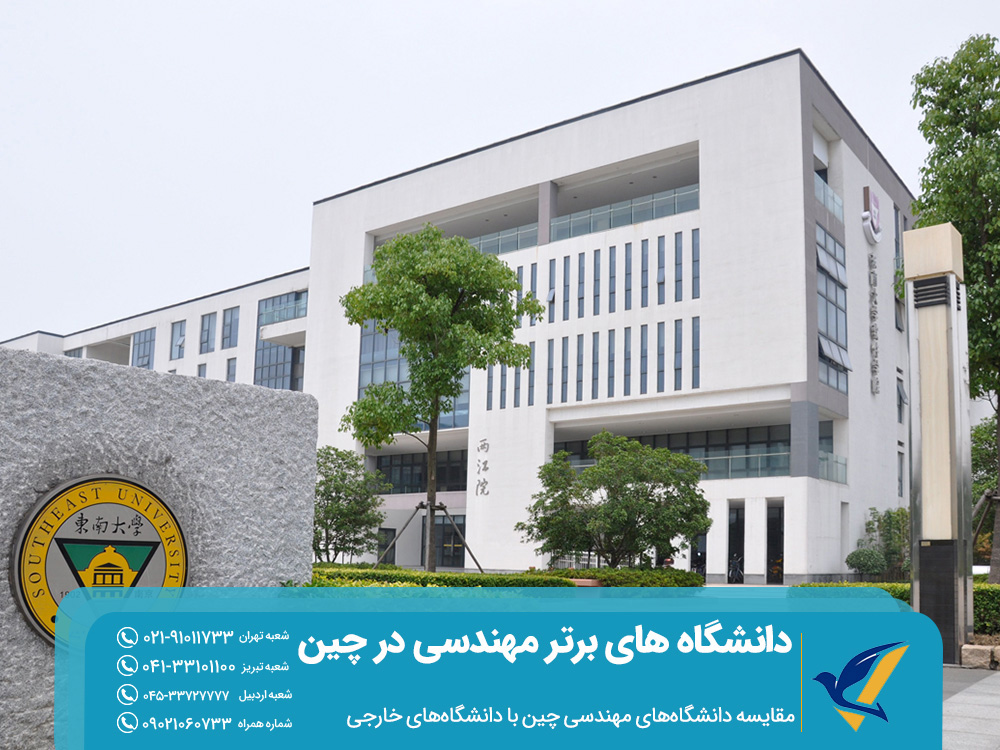
Comparison of Chinese Engineering Universities with Foreign Universities
China’s top engineering universities have seen remarkable growth in recent years, approaching the standards of leading global institutions such as MIT, Stanford, or TU Munich in terms of educational facilities, research funding, and international collaborations. A key difference is that Chinese universities generally charge lower tuition fees than their Western counterparts while offering broad access to industrial and international research projects.
Moreover, the strong presence of technology companies like Huawei, Alibaba, and Tencent near Chinese universities increases opportunities for students to interact directly with the industry. While Western universities may have a longer academic history, Chinese universities are rapidly closing the gap. Today, many of them rank among the top 100 engineering universities worldwide in QS and THE global rankings.
Career Opportunities After Studying Engineering in China
Graduates from China’s top engineering universities usually face extensive career opportunities both domestically and internationally. The Chinese government, through initiatives like “Made in China 2025” and the “Belt and Road Initiative”, has made significant investments in engineering, technology, energy, and construction industries. These policies enable graduates from fields ranging from electrical, mechanical, civil, to software engineering to enter the job market quickly.
Additionally, studying at a Chinese university strengthens a graduate’s CV for pursuing higher education or working abroad. Importantly, the cost of studying engineering in China is significantly lower compared to universities in the U.S. or Europe, while the quality of education and laboratory facilities remains competitive.
Conclusion
Choosing to study engineering in China is a strategic and intelligent decision that can transform an individual’s career path. As discussed in this article, earning a degree from one of China’s top engineering universities ensures entry into the global job market with modern skills and perspectives. However, success in this path requires careful planning beyond academic talent.
Applicants must meticulously follow all study requirements in China, including admission criteria, required documents, and the application process, to maximize their chances of acceptance. In addition, detailed financial planning for tuition and living costs is essential for managing the expenses of studying at a Chinese engineering university.
If you are interested in pursuing an engineering degree in China, you can obtain more information and guidance by requesting free consultation with the experts at Elm Vira Immigration Institute.
میانگین امتیازات 5 از 5
Vote count: 1 Vote