Studying electrical engineering in Turkey offers a unique and exceptional opportunity for international students to experience high-quality education, rich cultural exposure, and affordable living costs. With over 185,000 international students, Turkey has become a vibrant hub for academic excellence. The country boasts 34 universities offering electrical engineering programs with outstanding conditions for international students. The top Turkish universities combine theoretical coursework with hands-on experience through advanced labs and extensive industry collaborations.
Turkey’s strategic location at the crossroads of Europe and Asia provides students with a rich experience, blending diverse traditions, historical landmarks, and a dynamic social environment. In this article, part of the Elm Vira series, we explore the costs of studying electrical engineering in Turkey.
Benefits of Studying Electrical Engineering in Turkey
Pursuing an electrical engineering degree in Turkey offers international students a combination of academic quality, affordability, cultural immersion, and diverse career opportunities. With more than 34 universities offering this program, Turkey ranks among the top destinations for international academic migration. Below, we take a closer look at the main advantages of studying electrical engineering in Turkey.

1. High Academic Standards
One of the main advantages of studying electrical engineering in Turkey is the high academic standard. Universities such as Middle East Technical University (METU) and Istanbul Technical University (ITU) consistently rank among the world’s top engineering institutions. These universities offer curricula aligned with international standards in areas like circuit theory, power systems, and telecommunications, complemented by practical training through advanced laboratories and industry collaborations. Programs offered in English remove language barriers, while the international recognition of Turkish university degrees ensures global credibility for graduates.
2. Affordable Costs
Another significant benefit of studying electrical engineering in Turkey is the affordable tuition and living expenses. Annual tuition fees for electrical engineering programs range from $2,500 to $22,000, considerably lower than in Western countries. Scholarships such as the Turkish Government Scholarship can cover tuition, accommodation, insurance, and additional expenses. Low living costs make it feasible for students from diverse economic backgrounds to pursue their studies in Turkey.
3. Strategic Location
Turkey’s strategic location is another advantage for international students. Bridging Europe and Asia, the country offers a unique cultural experience, blending Eastern and Western traditions. Students can explore historic landmarks, tourist attractions, and enjoy a vibrant student life. Cultural events and international student communities also foster networking and long-term connections, enriching both academic and personal experiences.
4. Focus on Practical Skills
The emphasis on hands-on, career-oriented training is another key benefit of studying electrical engineering in Turkey. University-industry collaborations provide opportunities for internships and projects in areas such as renewable energy and automation. Turkey’s growing technology sector and infrastructure projects create domestic and international career opportunities. Turkish degrees are recognized across Europe, Asia, and beyond, giving graduates a competitive edge.
Additionally, Turkish programs emphasize innovation in electrical engineering, including smart grids, the Internet of Things (IoT), and sustainable energy, preparing students for advanced and emerging careers in the field.
Requirements for Studying Electrical Engineering in Turkey
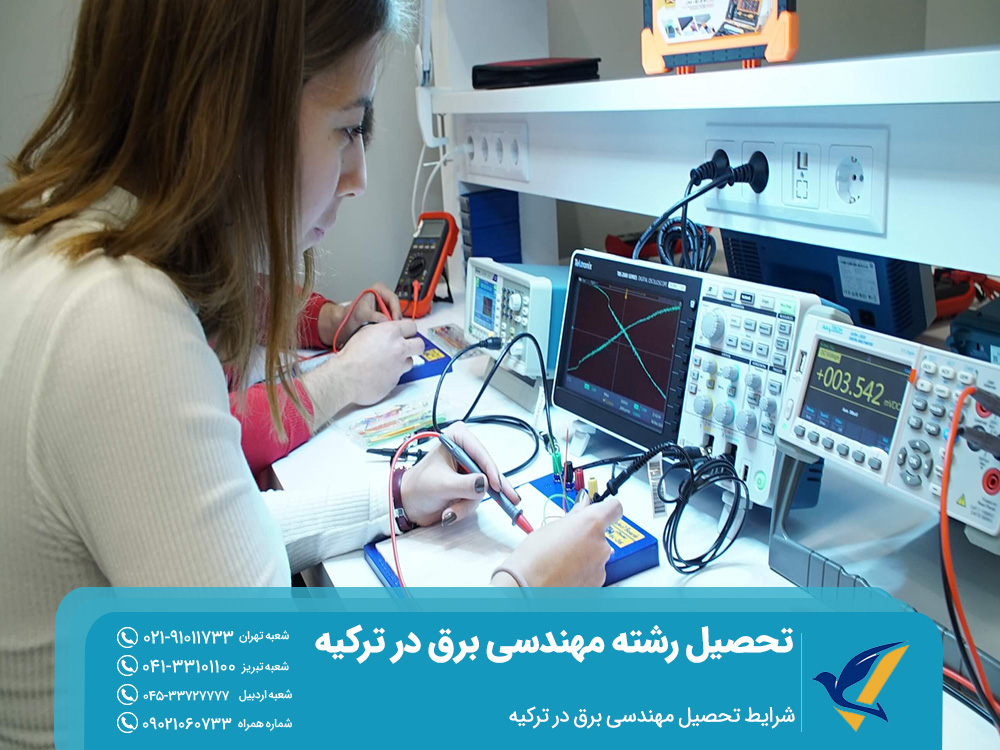
International students who wish to study electrical engineering in Turkey must meet specific academic, language, and administrative requirements. These criteria vary depending on the university, level of study, and language of instruction. However, they generally align with international standards and ensure that students are well-prepared to succeed in both the academic program and the cultural environment of Turkey. Below, we outline the main requirements for pursuing electrical engineering in Turkey.
1. Academic Requirements
To be admitted to a bachelor’s program, international students need a high school diploma or an equivalent qualification. Public universities typically require higher academic performance, with top institutions like Istanbul Technical University often setting stricter grade thresholds.
Private universities, such as Bahçeşehir University or Bilgi University, usually have lower grade requirements and may place greater emphasis on the student’s overall profile.
For master’s programs, students must hold a relevant bachelor’s degree with an acceptable GPA, ensuring they have the necessary foundation for advanced study.
2. Entrance Exams
Many public universities in Turkey require international students to take entrance exams such as YOS or SAT. The YOS exam evaluates academic skills and, in some cases, proficiency in the Turkish language.
For master’s programs, students are often required to submit GRE scores. Private universities, however, generally do not require these exams and focus instead on academic records and language proficiency.
3. Language Proficiency
Electrical engineering programs in Turkey are offered in both English and Turkish, so students must demonstrate proficiency in the language of instruction.
-
For programs taught in English, recognized exams such as TOEFL or IELTS are required, with minimum scores varying by university.
-
For programs taught in Turkish, students need a TÖMER certificate to prove their language skills.
Many universities also offer preparatory language courses for students who do not yet meet the required level, helping them build the necessary skills before starting their academic studies.

4. Application Process and Required Documents
The application process for universities in Turkey is conducted online through the official website of each institution. International students must submit their applications within the deadlines specified by the university and provide all the necessary documents. Commonly required documents include:
-
Valid high school diploma
-
Passport
-
Completed application form
-
Photograph
-
Academic transcripts
-
Statement of purpose
-
Letters of recommendation
-
Language proficiency certificates, and more
These requirements ensure that students are academically and linguistically prepared to pursue electrical engineering studies in Turkey.
Tuition Fees for Electrical Engineering in Turkey
The cost of studying electrical engineering in Turkey is relatively affordable compared to Western countries, making it an attractive destination for international students. Tuition fees vary depending on the university, level of study, and language of instruction.
-
Public universities: For Turkish-language programs, annual tuition ranges from $400 to $1,000, while English-language programs cost between $1,000 and $2,500 per year.
-
Private universities: Annual tuition ranges from $2,500 to $22,000.
For master’s programs, tuition at public universities ranges from $300 to $1,200, while private universities charge $5,000 to $20,000 per year.
In addition to tuition, international students should consider living expenses, which typically include:
-
Accommodation: $100–$400 per month
-
Food: $150–$200 per month
-
Transportation: $30–$50 per month
-
Health insurance: $50–$100 per year
Other miscellaneous expenses bring the total monthly cost of student living to approximately $400–$700.

Studying Electrical Engineering in Turkey: Scholarships
Turkey offers a wide range of scholarships for international students, which can significantly reduce tuition and living expenses. One of the most prominent programs is the Türkiye Scholarships, available for undergraduate, master’s, and PhD students. This scholarship covers tuition, accommodation, health insurance, a monthly stipend of up to ₺9,000, and even airfare.
To qualify for these scholarships, students must demonstrate strong academic performance and submit an online application along with supporting documents such as language certificates, transcripts, and a statement of purpose. Private universities in Turkey also provide partial scholarships and tuition discounts to help students. Overall, low tuition fees, affordable living costs, and diverse scholarship opportunities make Turkey an excellent choice for international students pursuing electrical engineering.
Top Universities in Turkey for Electrical Engineering
Turkey is an excellent destination for studying electrical engineering, offering a combination of unique opportunities for international students. The top universities in Turkey provide high-quality programs, modern facilities, and affordable tuition. These institutions combine theoretical foundations in electronics, power systems, and telecommunications with practical experience through advanced laboratories and industry collaborations.
Many electrical engineering programs in Turkish universities are taught in English, and the degrees awarded are internationally recognized.
The affordable tuition, recognized degrees, rich cultural environment, and diverse scholarships make Turkey increasingly attractive to international students. By studying at leading universities, students can benefit from advanced research opportunities, strong industry connections, and the strategic location of the country.
Some of the best universities for electrical engineering in Turkey include:
-
Middle East Technical University (METU)
-
Istanbul Technical University (ITU)
-
Bilkent University
-
Boğaziçi University
-
Koç University
-
Sabancı University
-
Istanbul University
-
Hacettepe University
-
Yıldız Technical University
-
Ege University
-
Bahçeşehir University, and more
Studying Electrical Engineering in Turkey: Career Opportunities and Income
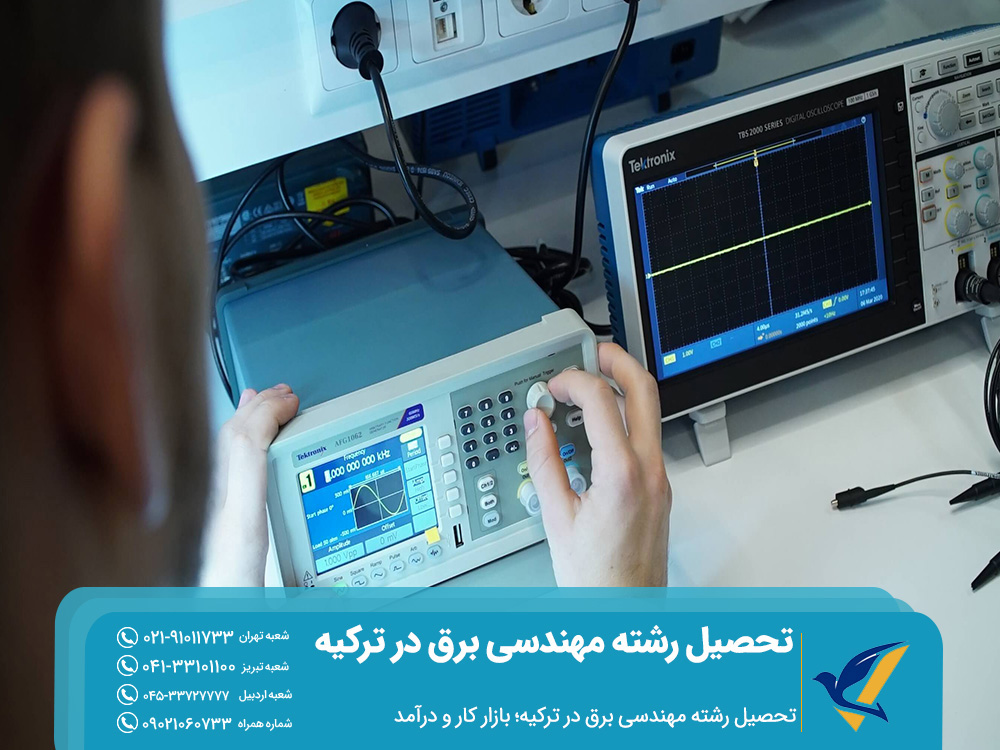
Pursuing a degree in electrical engineering in Turkey opens up a wide range of career opportunities due to the country’s growing industrial and technological sectors. Graduates can work in roles such as power engineer, electrical engineer, telecommunications engineer, and more. Turkey’s focus on renewable energy, smart grids, and automation has increased demand in industries like automotive, energy, and telecommunications, offering numerous job opportunities. Degrees from Turkish universities are recognized internationally, providing graduates access to careers in Europe and the United States.
Salaries in electrical engineering in Turkey vary depending on experience, expertise, and job role. Entry-level engineers earn an average annual salary of approximately ₺963,823 (around $28,000). Job opportunities in robotics, artificial intelligence, and electric vehicles are expanding, while senior positions can exceed ₺3.5 million per year. Turkey’s strategic location and practical training programs prepare students to enter the global job market with confidence.
Conclusion
Studying electrical engineering in Turkey offers an exceptional opportunity for international students to experience world-class education in a rich and dynamic environment. By pursuing their studies in Turkey, students benefit from well-structured curricula, advanced facilities, and strong industry connections.
The affordability of tuition, coupled with various scholarships, makes education in Turkey accessible to students from diverse financial backgrounds. Low living costs, cultural richness, and unique opportunities provide a valuable experience that supports both academic and professional growth.
This article has explored the requirements, benefits, tuition costs, scholarships, top universities, and career prospects for studying electrical engineering in Turkey. If you are considering studying abroad, you can contact our advisors for a free consultation to guide you through the process and help you navigate this important journey.
میانگین امتیازات 5 از 5
Vote count: 1 Vote