In today’s world, where the boundaries of science are increasingly blurred, studying Biology in Turkey has become an attractive option for international students. Turkey offers a dynamic learning environment with diverse programs, competitive tuition fees, and suitable research facilities that foster academic growth and scientific exploration.
To make informed decisions, it is essential to carefully examine the cost of studying Biology in Turkey and identify the best universities for Biology in Turkey, helping students know where to invest their time and what to expect. In this article from Elm Vira, we explore the study conditions, job market, scholarships, and graduate earnings for Biology students in Turkey.
Application Requirements for Studying Biology in Turkey at Different Levels
Studying Biology in Turkey offers international students a valuable opportunity to experience modern education and advanced research. Turkish universities provide a variety of programs at the undergraduate, master’s, and doctoral levels, preparing students for entry into the global scientific community. Application requirements differ by level and involve specific documents and skills that must be carefully followed.
Undergraduate Level: To study Biology in Turkey at the undergraduate level, applicants must submit a high school diploma and its official translation. Candidates are usually required to take entrance exams such as YÖS or SAT and achieve a minimum GPA.
Master’s Level: Applicants for master’s programs must hold a bachelor’s degree in a relevant field and have a strong academic record. A compelling statement of purpose and letters of recommendation from professors play an important role in admission.
Doctoral Level: Admission to PhD programs requires prior research experience and academic publications. Scientific interviews and evaluation of the applicant’s CV are also part of the application process.
Language Requirements: Some programs are offered in English while others are in Turkish. Therefore, proficiency certificates such as TOEFL, IELTS, or TÖMER are necessary.
Application Timeline: Most universities admit students during the spring and fall semesters. It is recommended that applicants prepare their documents several months in advance.
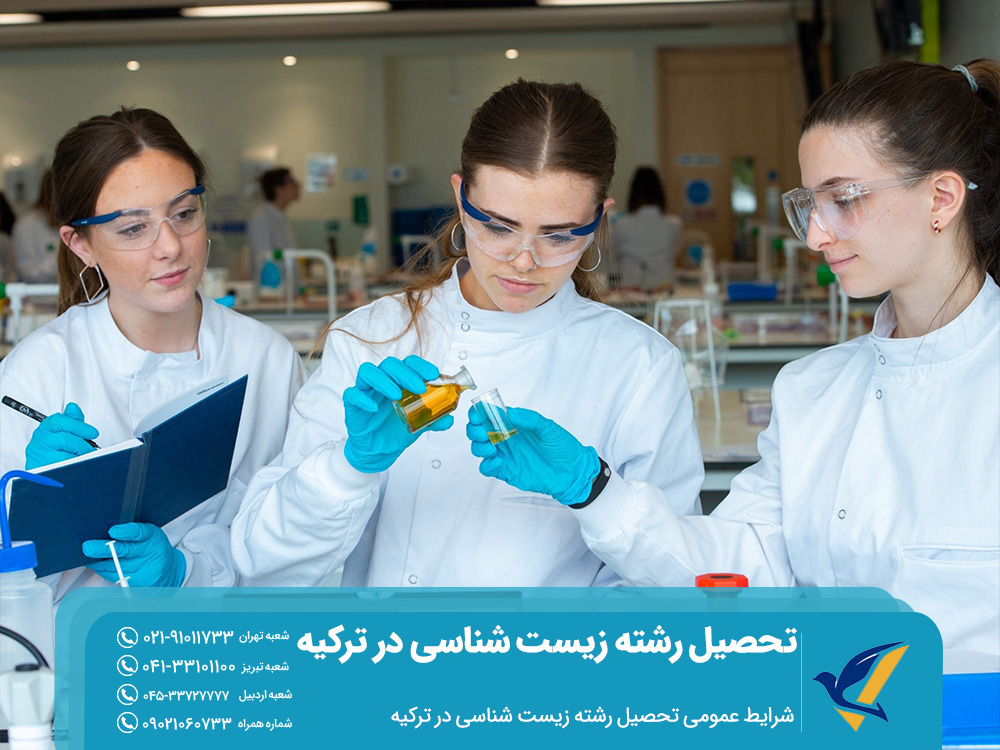
General Conditions for Studying Biology in Turkey
Studying Biology in Turkey combines theoretical education with practical research. Students engage with a wide range of topics, including genetics, biochemistry, and biotechnology, and have opportunities to work in modern laboratories. Programs at various levels are offered in either Turkish or English.
- Language of Instruction: Some universities offer programs in English, while most public universities teach in Turkish.
- Duration of Study: Undergraduate programs typically last four years, master’s programs two years, and doctoral programs three to five years.
- Curriculum Structure: General courses are taught in the early years, followed by specialized courses in later years. Students are also required to complete research projects.
- Assessment and Grading: The Turkish education system evaluates students based on grades and continuous performance. Attendance and laboratory work are highly valued.
Advantages of Studying Biology in Turkey
Studying Biology in Turkey offers numerous benefits for Iranian and international students. From high-quality education to lower costs compared to European countries, there are many reasons to choose Turkey. Universities provide modern facilities and international programs, creating an advanced academic environment.
- Affordable Tuition: Compared to Europe and the U.S., tuition fees for Biology in Turkey are significantly lower, making the country an attractive study destination.
- Cultural and Geographical Proximity: Cultural similarities with Iran and short geographical distance make student life easier for Iranian students.
- Opportunities to Study in English: Many universities offer courses in English, increasing opportunities for international education.
Challenges of Studying Biology in Turkey
While studying Biology in Turkey has many benefits, students should also be aware of certain challenges to make informed decisions and plan their academic path effectively.
- Learning Turkish: Essential for daily life and interacting with locals.
- Competition for Scholarships: Scholarships are limited and highly competitive.
- Limited Job Opportunities for Foreigners: Some institutions only hire Turkish citizens.
- Cultural Adaptation: The first few months may be challenging.
- Administrative and Visa Procedures: Some bureaucratic processes can be time-consuming.

Scholarships and Financial Aid for Studying Biology in Turkey
Studying Biology in Turkey has become more accessible for international students thanks to a variety of scholarships and financial aid programs. Both the Turkish government and prestigious universities offer annual support to foreign students. The Türkiye Bursları (Turkey Scholarship) is one of the most well-known programs, covering tuition, accommodation, living expenses, and insurance, making student life in Turkey easier. This scholarship is highly competitive, and applicants must provide strong academic records and a compelling motivation letter.
In addition, top universities like Koç, Bilkent, and Sabancı offer both domestic and international scholarships. European programs such as Erasmus+ and Mevlana also provide opportunities for student exchanges between Turkish and European universities.
| Scholarship Name |
Coverage Type |
Eligible Study Levels |
Features and Details |
| Türkiye Bursları (Turkey Government Scholarship) |
Full (tuition, accommodation, insurance, living expenses) |
Undergraduate, Master’s, PhD |
One of the most prestigious government scholarships in Turkey for international students, highly competitive. |
| Koç University Scholarship |
Full or partial (tuition discount + research allowance) |
Undergraduate, Master’s |
For outstanding students at Koç University with opportunities to participate in international research centers. |
| Bilkent University Scholarship |
Full or partial (tuition and accommodation) |
Undergraduate, Master’s, PhD |
Awarded to students with excellent academic performance; renewable annually based on grades. |
| Sabancı University Scholarship |
Full or partial |
Undergraduate, Master’s, PhD |
Competitive scholarship focusing on students active in research projects. |
| Erasmus+ Exchange Program |
Student exchange allowance, travel, and accommodation |
Undergraduate, Master’s, PhD |
European program for student exchanges between Turkey and EU member countries. |
| Mevlana Exchange Program |
Exchange tuition and allowance |
Undergraduate, Master’s |
Cultural and academic exchange program between Turkey and partner countries. |
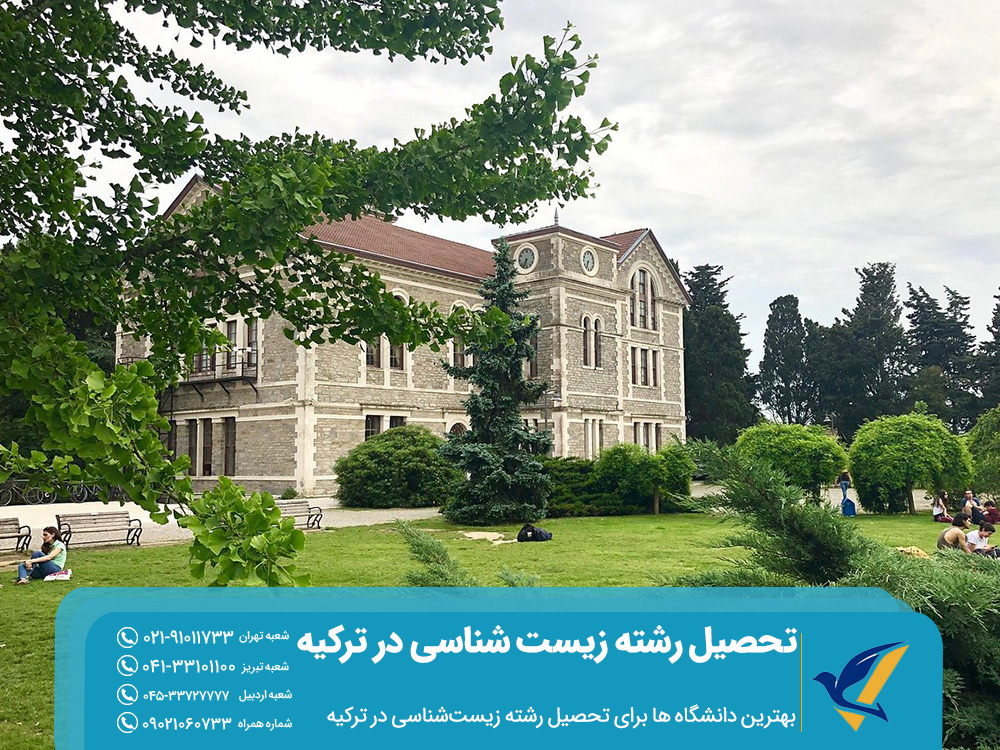
Top Universities for Studying Biology in Turkey
Studying Biology in Turkey offers a dynamic and academically rich environment, supported by universities that rank highly in international rankings and provide extensive research facilities for students planning to study in Turkey. Choosing the best universities in Turkey for Biology depends on academic goals, language of instruction, and the educational resources each institution offers.
- Hacettepe University: Located in Ankara, Hacettepe is one of the leading centers for biological sciences in Turkey. It emphasizes medical and life sciences research and offers high-quality undergraduate and graduate programs.
- Boğaziçi University: Situated in Istanbul, Boğaziçi is one of the oldest and most prestigious universities in Turkey. It offers Biology courses in English and maintains extensive collaborations with international research institutions.
- Bilkent University: A top private university, Bilkent provides a modern campus with well-equipped laboratories, offering an ideal environment for international students pursuing Biology.
- Koç University and Sabancı University: Both private universities are among Turkey’s top institutions, offering interdisciplinary Biology programs. They provide numerous scholarship and research opportunities for international students.
Tuition and Living Costs in Turkey (2025)
Tuition fees for Biology programs in Turkey vary depending on the type of university, study level, and language of instruction. Public universities generally charge lower fees than private universities, making them highly popular among international students. Tuition at public universities for Biology typically ranges from $500 to $2,000 per year.
Private universities, on the other hand, may charge $4,000 to $12,000 per year. Students should carefully assess their annual budget before selecting a university.
Living costs in Turkey are also relatively affordable, with average monthly expenses ranging from $400 to $800. These costs generally cover accommodation (dormitory or apartment), food, transportation, and insurance.
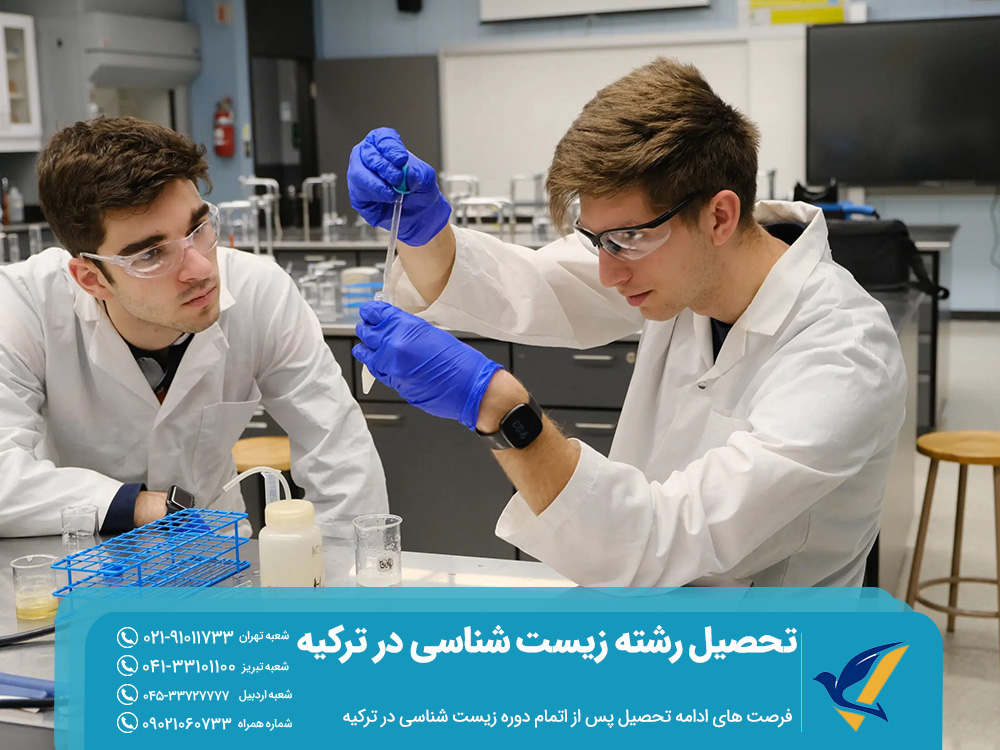
Opportunities for Further Studies after Completing a Biology Degree in Turkey
Studying Biology in Turkey is not limited to earning a degree; it marks the beginning of an academic and international journey that can transform a student’s professional future. Many students who complete their undergraduate or graduate studies in Turkey gain opportunities to pursue further education at top universities in Europe and the United States. This is largely due to the high recognition of Turkish university degrees and the alignment of Turkey’s education system with European standards.
Graduates from the best universities in Turkey for Biology often participate in exchange programs or receive international scholarships such as Erasmus+ or Fulbright, enabling them to study abroad. These opportunities help students enhance their research skills, expand their international academic network, and contribute to major global research projects. Furthermore, the relatively low cost of studying Biology in Turkey allows students to save part of their finances for advanced studies abroad.
Many Turkish universities also offer dual-degree programs in partnership with prestigious universities worldwide, allowing students to simultaneously earn a degree from a European or American institution while studying in Turkey. This unique feature makes studying Biology in Turkey not only cost-effective but also a strategic gateway to international research and graduate programs at leading global institutions.
Job Market for Biology Graduates in Turkey
The job market for Biology in Turkey is expanding, offering opportunities in research, pharmaceuticals, and environmental sectors. Graduates can work in universities, research institutes, and private companies. Studying Biology in Turkey equips students with the skills necessary to enter the international workforce. Many universities maintain strong connections with the biotech industry, enhancing employment prospects for students.
Additionally, with the growth of biotechnology, the demand for specialists in this field is rising. Biology graduates have the opportunity to participate in national and international research projects, contributing to scientific advancements while building a competitive career profile.

Income of Biology Graduates in Turkey
The income of Biology graduates in Turkey varies depending on job type, experience, and education level. On average, those working in research or pharmaceutical industries earn a reasonable salary. Graduates employed at universities or research centers typically receive between $800 to $1,500 per month, while those working in private or international sectors may earn higher salaries. Considering the relatively low cost of studying Biology in Turkey and living expenses, the return on investment for education can be achieved in a relatively short time.
Research Opportunities in Biology in Turkey
A key advantage of studying Biology in Turkey is access to extensive research opportunities. Many universities host well-equipped research centers in fields such as genetics, biotechnology, and ecology. Students can participate in international scientific projects and collaborate with leading professors. This experience also prepares them for PhD programs in Europe and the United States. Top Turkish universities for Biology often allocate significant funding for research, enabling students to develop advanced scientific skills.
International Career Prospects for Biology Graduates
Studying Biology in Turkey can serve as a gateway to the international job market. Degrees from Turkish universities are globally recognized, allowing graduates to pursue further studies or work in Europe and Asia. Many graduates participate in international research programs after completing their studies. Additionally, some universities maintain partnerships with pharmaceutical companies and laboratories outside Turkey, easing the path to employment abroad. Overall, studying in Turkey not only strengthens theoretical knowledge but also provides a sustainable career pathway for future scientists.
Conclusion
In summary, studying Biology in Turkey is a smart choice for those seeking a combination of high-quality education, affordable costs, and strong research opportunities. By understanding tuition fees, living expenses, and the best universities for Biology in Turkey, prospective students can make informed decisions about their academic path.
Familiarity with the application process, benefits, and challenges helps students not only choose wisely but also develop effective strategies for success throughout their studies. Elm Vira is your reliable partner in educational migration, offering expert guidance. For free consultation, just one click is all it takes!
میانگین امتیازات 5 از 5
Vote count: 1 Vote